Guides · Okeechobee, Florida
Getting to Okeechobee, FL: Routes, Rail, and the Dike
Getting to Okeechobee is a straight shot down US-441 or the Turnpike, and the town sits right at the edge of the big water that gives it its name.
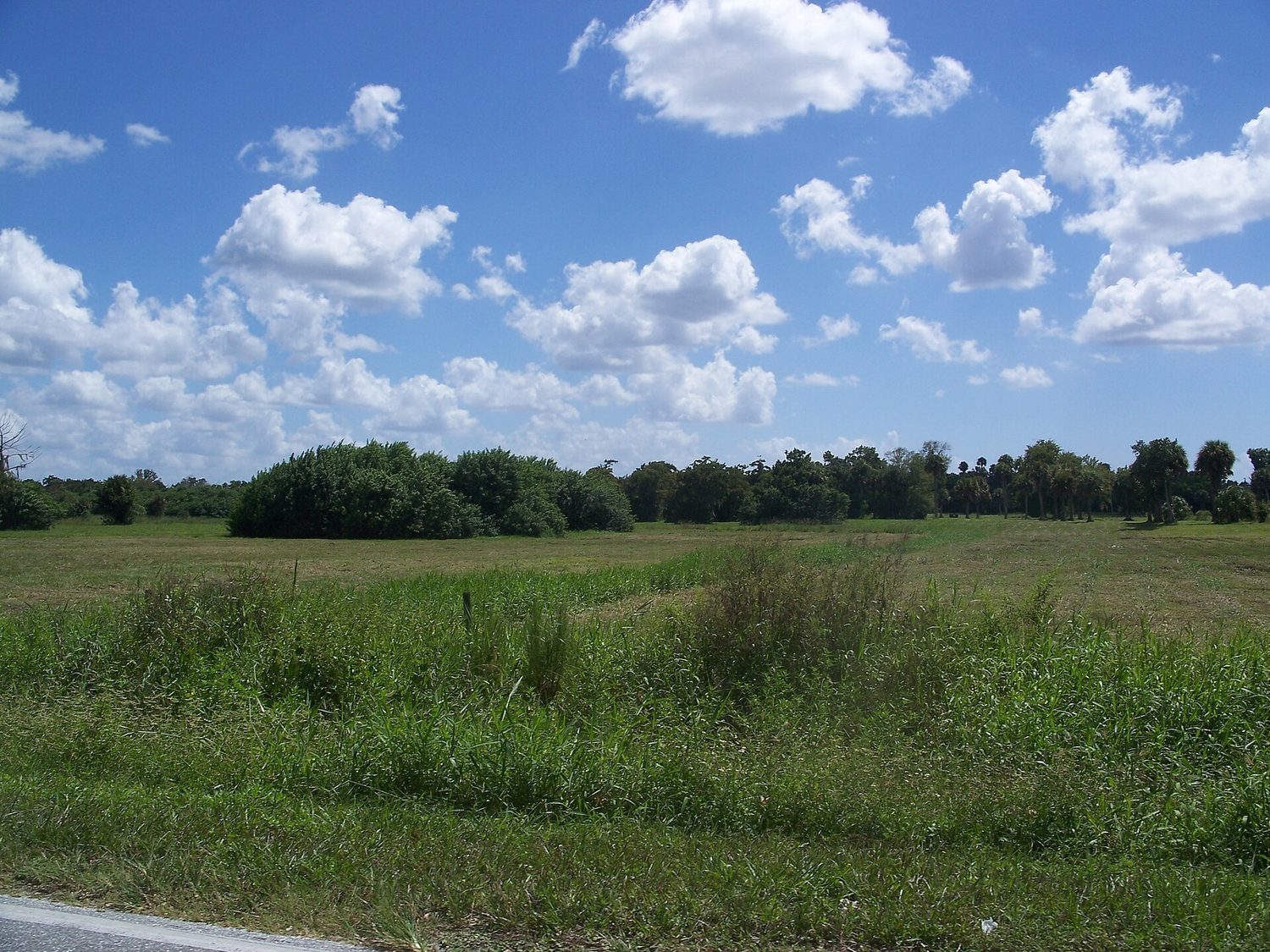
The Road In
Okeechobee was incorporated on 4 June 1915, and the name comes from the Hitchiti language of most Florida Seminoles: oki, water, and chubi, big. Big water. The town is the last real stop before the lake’s eastern shore, and the drive in is flat, green, and punctuated by cattle ranches and cane fields. You will not mistake it for a beach town.
What You Are Driving Toward
Lake Okeechobee is the eighth-largest natural freshwater lake in the fifty states and the largest contained entirely within the contiguous forty-eight. That means 730 square miles of water at an average depth of just nine feet. It is wide, shallow, and deceptive. The Herbert Hoover Dike, a 40-foot earthen wall built after the 1928 hurricane, rings the lake. The latest rehabilitation of that dike completed in January 2023, so the structure you see is newer than it looks.
The 1928 Okeechobee Hurricane was the first recorded Category 5 hurricane in the North Atlantic. It killed thousands of people, many of them migrant farmworkers who had no warning and no way out. The lake is not scenery. It is a working body of water with a hard history, and the dike is a constant reminder.
The Town Itself
The census numbers from the most recent count put Okeechobee at 5,376 people, with a median age of 37.7 years. The median home value is $187,400, and the median gross rent is $1,008. The unemployment rate sits at 4 percent, and the median household income is $50,365. Of the 1,983 total housing units, 177 are vacant, and none are held for seasonal or recreational use. That last number tells you something: this is not a vacation rental town. People live here.
About 20.5 percent of residents hold a bachelor’s degree or higher. That is a modest figure, and it lines up with a place whose economy has always leaned on the land and the water.
The Working Past
By the 1930s, Okeechobee was shipping hundreds of train cars of winter vegetables a year. Poultry farms, catfish operations, and a bullfrog breeding industry all ran out of this area. The lake drove the commerce, and the town grew around the harvest and the haul. That history is still visible in the low-slung buildings along the main drag and in the working docks on the lake’s edge.
The Battlefield
Before the town, before the vegetables, there was the Okeechobee Battlefield. On 25 December 1837, Seminole forces met US troops under Zachary Taylor in one of the largest battles of the Second Seminole War. The site is a few miles east of town, off US-441, and it is marked by a small monument and a walking trail. It is not a polished attraction. It is a field, a plaque, and a quiet that does not match the violence that happened there.
The One Big Event
The Speckled Perch Festival and Parade is the oldest celebration in Okeechobee. It began by honouring the fishing industry with a parade and a fish fry in Flagler Park at the height of the tourist season. The Saturday parade still steps off at 10am. The festival is a local anchor, and it draws people from the surrounding counties, but it is not a tourist trap. It is a town event that happens to welcome outsiders.
Where It Sits
Okeechobee is not close to anything you would call a metropolis. The nearest towns we cover are all a drive away:
| Town | Distance | What Happens There |
|---|---|---|
| Stuart | 41 miles | Stuart Boat Show |
| Sebastian | 44 miles | Sebastian Clambake Lagoon Festival |
| Arcadia | 71 miles | Arcadia All-Florida Championship Rodeo |
| Oviedo | 101 miles | Great Day in the Country |
| Everglades City | 103 miles | Everglades Seafood Festival |
| Altamonte Springs | 105 miles | Red Hot & Boom |
That list is useful if you are planning a loop, but do not expect to hop between them casually. The distances are real, and the roads between them are mostly two-lane.
The Bottom Line
Getting to Okeechobee is simple. The town is on the way to nowhere else, which is exactly why it has stayed the way it is. The lake is the reason to come, the dike is the reason to pay attention, and the history is the reason to stay a while. It is not pretty in the postcard sense. It is real, and that is worth the drive.
Common questions
- How big is Lake Okeechobee?
- Lake Okeechobee is 730 square miles with an average depth of just nine feet. It's the eighth-largest natural freshwater lake in the US and the largest entirely within the contiguous 48 states.
- What does the name Okeechobee mean?
- Okeechobee comes from the Hitchiti language, spoken by most Florida Seminoles. 'Oki' means water and 'chubi' means big, so it translates to 'big water'.
- When was Okeechobee founded?
- Okeechobee was incorporated on June 4, 1915. By the 1930s, the area was shipping hundreds of train cars of winter vegetables yearly, alongside poultry farms, catfish operations, and a bullfrog breeding industry.
- What is the Herbert Hoover Dike?
- The Herbert Hoover Dike is a 40-foot wall around Lake Okeechobee, built after the 1928 hurricane. Its latest rehabilitation was completed in January 2023. It's a serious structure, not just scenery.
- What happened in the 1928 hurricane?
- The 1928 Okeechobee Hurricane was the first recorded Category 5 hurricane in the North Atlantic. It severely damaged the lake area and killed thousands. Never treat the lake as scenery alone.
- What events happen in Okeechobee?
- The Speckled Perch Festival and Parade is the oldest celebration, running since 1965. It honors the fishing industry with a parade and fish fry in Flagler Park. The Saturday parade steps off at 10am.
Every business named above is one we hold a listing for, and every date traces to a source on our sources page. We do not describe menus, interiors or service we have not verified. Details change — confirm before you travel.