Guides · Okeechobee, Florida
The Best Time of Year to Visit Okeechobee
The right time to come depends on whether you want to fish, farm, or just stand at the edge of the big water and respect what it has done.
Winter is the season that made the town
Okeechobee’s calendar still turns on the cold months. The Speckled Perch Festival and Parade, the oldest celebration in town, has run since 1965. It started as a fish fry and parade in Flagler Park, timed to the height of the tourist season. The Saturday parade still steps off at 10am.
That timing is no accident. By the 1930s, the area was shipping hundreds of train cars of winter vegetables a year. Poultry farms, catfish operations and a bullfrog breeding industry filled out the economy. People came south for the sun, and they stayed for the catch.
Winter here is not Florida-card season. It is dry, mild and useful. The lake drops, the banks firm up, and the fishing gets serious. If you want to see the town at its most purposeful, come between December and February.
Spring is the crowd you will actually find
The perch festival draws people in March. That is when the tourist season peaks, and the town fills with anglers who know the lake’s nine-foot average depth hides more structure than most big water.
Spring is also the fairest weather. The heat has not set in, the afternoon thunderstorms are still weeks away, and the Herbert Hoover Dike’s 40-foot wall makes for a solid, walkable perimeter. The rehabilitation of the dike finished in January 2023, so the loop around the lake is as stable as it has been in decades.
If you want the town lively, this is your window. The festival crowd is real, but it is not overwhelming. Okeechobee does not do overwhelming.
Summer is honest, and hot
The lake turns green and thick by July. The air sits on you. The thunderstorms come most afternoons, and the fishing gets slower, deeper, and more patient. This is the season for people who do not need the town to perform.
Summer is also the season to remember what the lake has done. The 1928 Okeechobee Hurricane, the first recorded Category 5 hurricane in the North Atlantic, severely damaged the lake area. Thousands died. The dike exists because of that storm. The concrete is not scenery; it is a scar that healed into a wall.
The census numbers tell you what the town is outside the tourist months. Population sits at 5,376 people. Median age is 37.7 years. Median household income is $50,365. There are 1,983 housing units, and zero of them are held for seasonal or recreational use. Nobody is keeping a summer place here. People live here.
That is not a complaint. It is a fact worth knowing before you visit in August. You will not be joining a resort crowd. You will be standing in a working town.
Fall is for the quiet
September and October are the slow months. The hurricane season is live, the heat lingers, and the tourists have gone home. The lake is still there, 730 square miles of it, the eighth-largest natural freshwater lake in the fifty states and the largest entirely within the contiguous forty-eight.
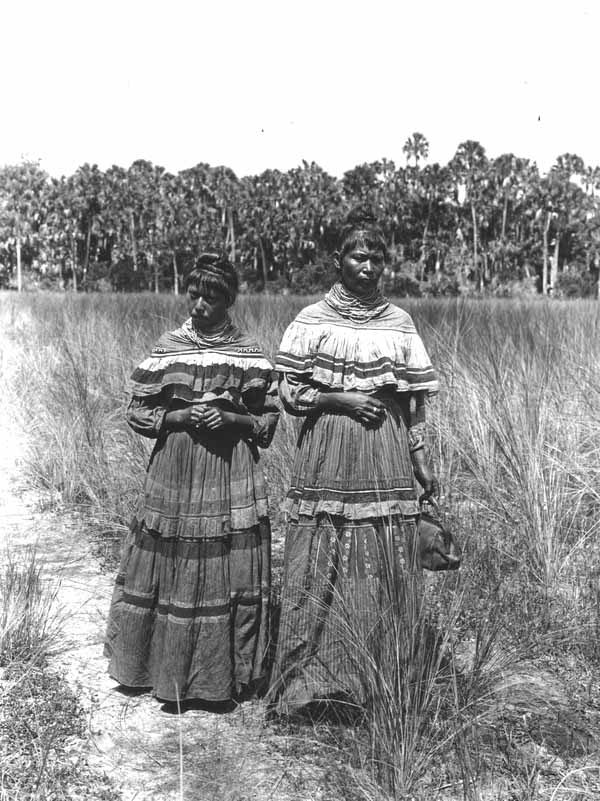
This is the time to walk the dike, watch the water change with the light, and think about the 25 December 1837 battle at the Okeechobee Battlefield, where Seminole forces met US troops under Zachary Taylor in one of the largest battles of the Second Seminole War. The town’s name comes from Hitchiti, the ancestral language of most Florida Seminoles: oki, water, and chubi, big. Big water.
The town was incorporated on 4 June 1915. It is not old by Florida standards, but it has history that runs deeper than the lake’s average depth.
Our recommendation
Come in March, for the festival and the weather. Come in October, for the quiet and the light. Skip the summer unless you already know you love the heat.
The numbers back that up. Only 20.5 percent of residents hold a bachelor’s degree or higher. The unemployment rate is 4 percent. Median home value is $187,400. Median gross rent is $1,008. This is a working town with a working lake, not a postcard.
The lake is nine feet deep on average. That is shallow for 730 square miles. It means the wind can tear it up fast, and the water can turn from grey to brown to angry in an hour. The 1928 hurricane proved what that flat water can do when it gets pushed hard enough.
Respect the lake. Visit in the cool months. Eat at the festival. Walk the dike. And do not call the big water scenery. It is a force, and it has the graves to prove it.
Every business named above is one we hold a listing for, and every date traces to a source on our sources page. We do not describe menus, interiors or service we have not verified. Details change — confirm before you travel.