Guides · Okeechobee, Florida
Okeechobee vs Jensen Beach: How They Differ
Okeechobee and Jensen Beach sit on opposite ends of the same watery corridor, but they are not the same place.
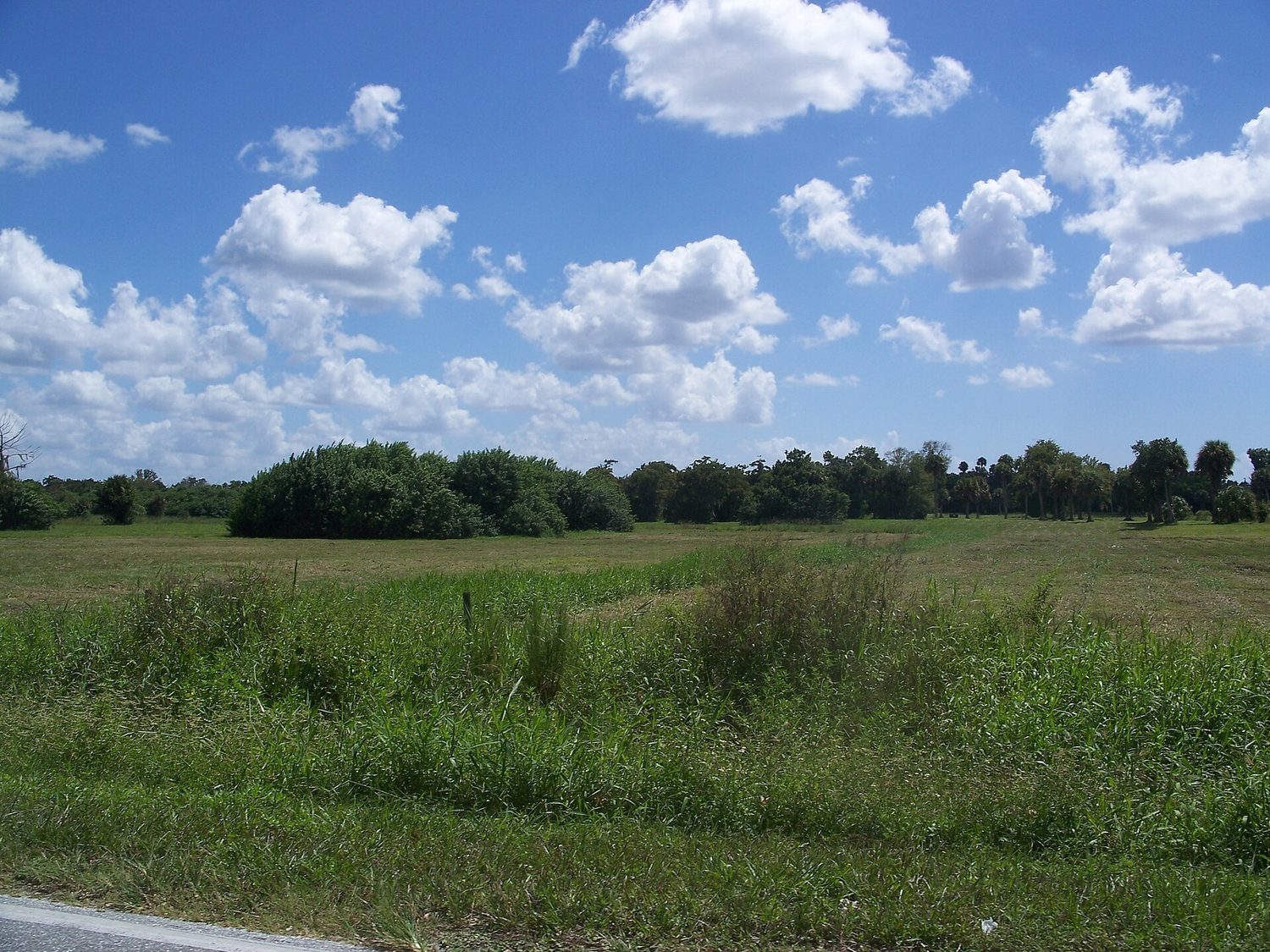
The Shape of the Water
Okeechobee is a town built around a lake that is less a lake than an inland sea. Lake Okeechobee covers 730 square miles at an average depth of just nine feet—the eighth-largest natural freshwater lake in the fifty states and the largest contained entirely within the contiguous forty-eight. That shallow expanse is walled in by the 40-foot Herbert Hoover Dike, a concrete and earthwork ring built after the 1928 Okeechobee Hurricane, the first recorded Category 5 hurricane in the North Atlantic. The dike’s latest rehabilitation completed in January 2023. You do not need to be told what that wall is for. The lake is not scenery; it is a force that has already killed thousands.
Jensen Beach, by contrast, sits on the Atlantic side of the same county line, where the water is salt and the horizon is open. It is a coastal town, and its identity is tied to the ocean, not to a diked inland basin. The two places share a county, but the difference in how they face the water is the difference between a fortress and a shoreline.
What the Numbers Say
The census figures for Okeechobee tell a story of permanence. The town’s population is 5,376 people, with a median age of 37.7 years. There are 1,983 total housing units, and of those, 177 are vacant. Notably, zero homes are held for seasonal or recreational use. That is not a vacation town. People live there year-round, and the housing stock reflects it: the median home value is $187,400, and the median gross rent is $1,008.
The education and income numbers are modest. Only 20.5 percent of residents hold a bachelor’s degree or higher. The median household income is $50,365, and the unemployment rate sits at 4 percent. These are working numbers. They describe a place where people fish, farm, and fix things, not a place where second-home buyers park their boats.
Jensen Beach, by comparison, is a different economic animal. It draws on the tourist and retirement economies of the Treasure Coast. The housing stock there is more likely to include seasonal units, and the median home values run higher. The two towns are only about 41 miles apart, but the gap in how they make a living is wider than the drive.
The History Beneath the Town
Okeechobee was incorporated on 4 June 1915. The name comes from the Hitchiti language, the ancestral tongue of most Florida Seminoles: oki, water, and chubi, big. Big water. That is not a marketing slogan; it is a description of the thing that defines the place.
Before the town was even a town, the ground around the lake was contested. On 25 December 1837, Seminole forces met US troops under Zachary Taylor at the Okeechobee Battlefield in one of the largest battles of the Second Seminole War. That fight happened in the swamp and sawgrass west of the lake, and it is not a footnote. It is the reason the town exists where it does.
By the 1930s, the area was shipping hundreds of train cars of winter vegetables a year, alongside poultry farms, catfish operations, and a bullfrog breeding industry. That is the economic base the town was built on—not tourism, not retirement, but production. The lake and the muck around it fed people. The dike was built to keep the water from killing them.
Jensen Beach has its own history, but it is a different one. It grew as a pineapple plantation town in the late 1800s, then shifted to tourism as the railroad came through. It never had to face a hurricane that drowned thousands in a single night. That is not a point of pride; it is a matter of geography.
The Annual Ritual
Okeechobee’s oldest celebration is the Speckled Perch Festival and Parade. It began by honouring the fishing industry with a parade and a fish fry in Flagler Park at the height of the tourist season. The Saturday parade still steps off at 10 a.m. The festival is a direct line to the town’s reason for being: the lake, the fish, and the people who make a living from both.
Jensen Beach has its own events, but they are coastal ones—sand, surf, and seafood festivals that cater to a seasonal crowd. The difference is not in the quality of the celebration but in what is being celebrated. Okeechobee celebrates the work. Jensen Beach celebrates the leisure.
What You Can Do From Here
Okeechobee is not a dead end. It is a hub for people who want to see the real Florida, the one that does not end at the beach. From the town, you can drive 41 miles to Stuart for the Stuart Boat Show, or 44 miles to Sebastian for the Sebastian Clambake Lagoon Festival. Further out, Arcadia is 71 miles away and hosts the Arcadia All-Florida Championship Rodeo. Oviedo, 101 miles away, has Great Day in the Country. Everglades City, 103 miles away, runs the Everglades Seafood Festival. Altamonte Springs, 105 miles away, puts on Red Hot & Boom.
Those are day trips. They are not the point of Okeechobee. The point is the lake itself—the big water that gave the town its name and its reason to exist.
The Bottom Line
Okeechobee and Jensen Beach are both Florida towns, but they are not the same Florida. Jensen Beach is the Florida of postcards and beach towels. Okeechobee is the Florida of work boots and fishing lines. One is a place to visit. The other is a place to live. The census numbers make that plain: zero seasonal homes, a median income under $51,000, and a housing stock that people actually occupy. The lake is not a backdrop. It is the whole story.
Common questions
- Is Lake Okeechobee safe to swim in?
- The lake is shallow, averaging nine feet deep, and ringed by the Herbert Hoover Dike. Swimming is not a typical activity here; the lake is known for its power and history, including the 1928 hurricane. Always check local conditions and heed warnings.
- What is there to do in Okeechobee besides fishing?
- Fishing is central, but you can visit the Okeechobee Battlefield, site of an 1837 Seminole War battle. The annual Speckled Perch Festival and Parade, running since 1965, features a Saturday parade and fish fry in Flagler Park. Nearby towns like Stuart and Sebastian offer additional events.
- How big is Lake Okeechobee really?
- It's the largest lake entirely within the contiguous US, covering 730 square miles. However, its average depth is only nine feet, so it's vast but shallow. The Herbert Hoover Dike, rebuilt after the 1928 hurricane, surrounds it.
- What happened in the 1928 hurricane?
- The 1928 Okeechobee Hurricane was the first recorded Category 5 in the North Atlantic. It killed thousands in the area and led to the construction of the Herbert Hoover Dike. This history is a somber part of the region's identity.
- Is Okeechobee a good place to live or just visit?
- With a population of 5,376 and a median age of 37.7, it's a small, working town. Median home value is $187,400 and median rent $1,008. Unemployment is low at 4%, but only 20.5% have bachelor's degrees. It's more about everyday life than tourist amenities.
- What's the best time to visit Okeechobee?
- The Speckled Perch Festival in early spring (since 1965) is a highlight, honoring fishing with a parade and fish fry. Winter is also popular for fishing. Avoid hurricane season (June-November) due to storm risk, given the lake's history.
Every business named above is one we hold a listing for, and every date traces to a source on our sources page. We do not describe menus, interiors or service we have not verified. Details change — confirm before you travel.