Guides · Okeechobee, Florida
Okeechobee, FL Towns Worth Adding to Your Trip
Okeechobee is a working lake town, not a postcard, and the towns around it earn their keep in their own ways.
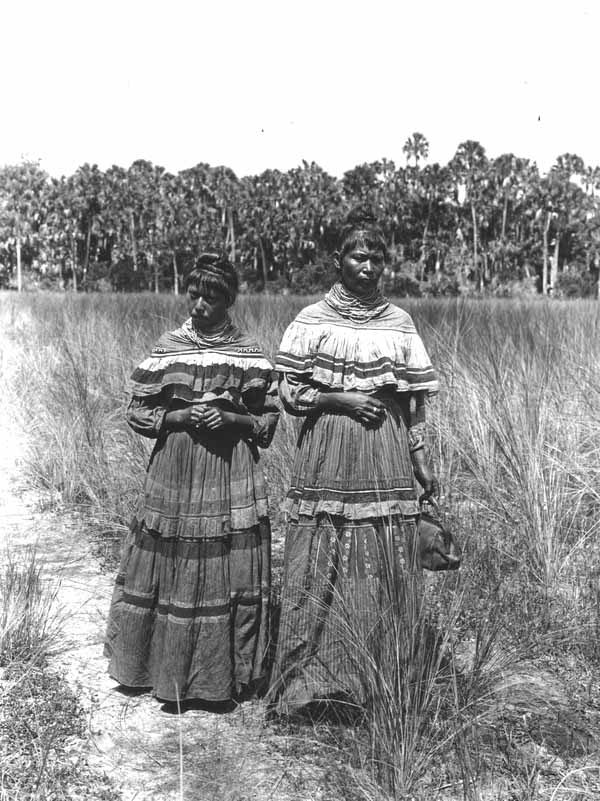
The Town Itself
Okeechobee was incorporated on 4 June 1915, and the name comes from the Hitchiti language of most Florida Seminoles: oki, water, and chubi, big. Big water. That is the whole story in two words. The lake is the eighth-largest natural freshwater lake in the fifty states and the largest contained entirely within the contiguous forty-eight—730 square miles at an average depth of just nine feet. Nine feet. It is a wide, shallow, wind-driven sheet of water, and it has killed people.
The 1928 Okeechobee Hurricane was the first recorded Category 5 hurricane in the North Atlantic. It severely damaged the lake area and killed thousands, most of them Black farmworkers who had no warning and no way out. The Herbert Hoover Dike, 40 feet high, was built after that storm. Its latest rehabilitation completed in January 2023. You do not have to stand on the dike long to understand why it is there. Treat the lake as scenery and you are missing the point.
The town itself is small and plain. The census counts 5,376 people, with a median age of 37.7 years. Median household income is $50,365. Median home value is $187,400. Median gross rent is $1,008. Of 1,983 housing units, 177 are vacant, and zero are held for seasonal or recreational use. Nobody is buying a second home here to watch the sunset. Twenty-point-five percent of adults hold a bachelor’s degree or higher. The unemployment rate is 4 percent. These are not resort numbers. They are working numbers.
By the 1930s, the area was shipping hundreds of train cars of winter vegetables a year, alongside poultry farms, catfish operations, and a bullfrog breeding industry. That is the economic spine of the place: food, water, and the ground in between. The Speckled Perch Festival and Parade is the oldest celebration in Okeechobee. It began by honouring the fishing industry with a parade and a fish fry in Flagler Park at the height of the tourist season. The Saturday parade still steps off at 10am. That is the town’s own holiday, and it is about fish, not frills.
The Battlefield
Before the town, before the dike, there was war. The Okeechobee Battlefield is where, on 25 December 1837, Seminole forces met US troops under Zachary Taylor in one of the largest battles of the Second Seminole War. Christmas Day, in the swamp. Taylor lost more men than he captured, and the Seminoles slipped away. The battlefield is not a theme park. It is a flat, grassy, sober place. If you go, go with that in mind.
The Towns Around the Lake
Okeechobee is not a hub. It is a spoke. The towns worth adding to a trip are not close enough for a quick loop, but they are close enough for a day.
- Stuart, 41 miles east, on the St. Lucie River. It has the Stuart Boat Show, which draws people who actually own boats, not people who rent them for an afternoon. Stuart is a river town with a downtown that has been cared for, and it shows.
- Sebastian, 44 miles northeast, on the Indian River Lagoon. The Sebastian Clambake Lagoon Festival is exactly what it sounds like: clams, lagoon, festival. It is a working waterfront town, and the festival is a working waterfront event.
- Arcadia, 71 miles northwest, in DeSoto County. The Arcadia All-Florida Championship Rodeo is the real thing. Rodeo is not a performance here; it is a livelihood. Arcadia is cattle country, and the rodeo is the annual proof.
- Oviedo, 101 miles north, near Orlando’s sprawl but not of it. The Great Day in the Country is a small-town celebration that has somehow survived next to the theme parks. It is a reminder that Florida existed before the mouse.
- Everglades City, 103 miles south, at the edge of the swamp. The Everglades Seafood Festival is a weekend of stone crabs and gulf shrimp, put on by a town that is mostly a fishing village and a courthouse. It is the southern anchor of this trip.
- Altamonte Springs, 105 miles north, on the Wekiva River. Red Hot & Boom is a Fourth of July fireworks show over a lake, with a river running through town. It is the most suburban of the bunch, but the river keeps it honest.
What the Numbers Say
The census numbers for Okeechobee tell a story that the brochures do not. Zero seasonal homes. Zero. That means every house in town is somebody’s primary residence. The vacant units—177 of them—are not vacation rentals waiting for a booking. They are empty because people left or because the housing stock is old and tired.
The median home value of $187,400 is low for Florida, and the median gross rent of $1,008 is low too. That is not a complaint. It is a fact. People live here because they can afford to, and because the work is here: agriculture, water management, the dike, the county. The 4 percent unemployment rate is real, not a talking point.
The Water, Again
Lake Okeechobee is 730 square miles. It is the largest lake contained entirely within the contiguous forty-eight states. It is nine feet deep on average. That is not a typo. Nine feet. A strong wind can push water from one side of the lake to the other and expose mud flats that were underwater an hour before. The dike is 40 feet high, and it was built because the 1928 hurricane proved that the lake does not stay where you put it.
The rehabilitation of the Herbert Hoover Dike completed in January 2023. That is recent. That is ongoing. The lake is managed, but it is not tamed. The people who live here know that. The people who visit should know it too.
The Bottom Line
Okeechobee is not a destination for a weekend of pampering. It is a destination for a day of looking, a day of understanding, and a day of eating fish that came out of the lake that morning. The towns around it—Stuart, Sebastian, Arcadia, Oviedo, Everglades City, Altamonte Springs—each have their own festivals and their own reasons to stop. But the reason to start is the lake.
Big water. Nine feet deep. Walled in concrete. That is Okeechobee. Come for the perch festival, stay for the battlefield, and leave with a clear understanding of what the water means.
Common questions
- What is there to do in Okeechobee?
- Okeechobee is about the lake and its history. You can visit the Okeechobee Battlefield, site of the 1837 Seminole War battle, and the Herbert Hoover Dike. The Speckled Perch Festival and Parade, the town's oldest celebration since 1965, happens annually with a Saturday parade at 10am.
- How big is Lake Okeechobee?
- Lake Okeechobee covers 730 square miles with an average depth of just nine feet, making it the largest lake entirely within the contiguous 48 states and the eighth-largest natural freshwater lake in the U.S. It's ringed by the 40-foot Herbert Hoover Dike.
- Is Okeechobee a good place to live?
- Okeechobee has a population of 5,376 with a median age of 37.7. Median home value is $187,400, median gross rent is $1,008, and median household income is $50,365. Unemployment is 4%, and 20.5% of residents hold a bachelor's degree or higher.
- What is the history of Okeechobee?
- Okeechobee was incorporated on June 4, 1915. The name comes from Hitchiti, meaning 'big water.' By the 1930s, it shipped hundreds of train cars of winter vegetables yearly, plus poultry, catfish, and bullfrog operations. The 1928 hurricane, a Category 5, devastated the area and led to the Herbert Hoover Dike.
- What is the Herbert Hoover Dike?
- The Herbert Hoover Dike is a 40-foot high earthen wall around Lake Okeechobee, built after the 1928 hurricane to prevent future flooding. Its latest rehabilitation was completed in January 2023. It's a key part of the lake's infrastructure and history.
- What nearby towns are worth visiting from Okeechobee?
- Nearby towns include Stuart (41 miles, Stuart Boat Show), Sebastian (44 miles, Sebastian Clambake Lagoon Festival), Arcadia (71 miles, rodeo), Oviedo (101 miles, Great Day in the Country), Everglades City (103 miles, seafood festival), and Altamonte Springs (105 miles, Red Hot & Boom). Each offers unique events.
Every business named above is one we hold a listing for, and every date traces to a source on our sources page. We do not describe menus, interiors or service we have not verified. Details change — confirm before you travel.