Guides · Okeechobee, Florida
Annual Events in Okeechobee: The Calendar That Matters
The calendar here doesn’t run on school terms or fiscal quarters. It runs on water levels, harvests, and the stubborn memory of what this ground has already cost. The one date that matters most is the one the town itself keeps: the first Saturday of the Speckled Perch Festival and Parade, stepping off at 10am in Flagler Park.
The Oldest Party in Town
The Speckled Perch Festival is the oldest celebration in Okeechobee. It began as a way to honor the fishing industry at the height of the tourist season, with a parade and a fish fry in Flagler Park. That was decades ago, and the formula hasn't needed much fixing. The Saturday parade still moves through town at 10am, and the crowd is a mix of people who remember when the lake was the only economy and people who just moved here for the cheap rent.
We won't tell you what to eat. You can find that out for yourself. What we will say is that the festival works because it doesn't try to be anything else. It's a small-town parade with a fishing hook in it, and that's enough.
The Lake Sets the Schedule
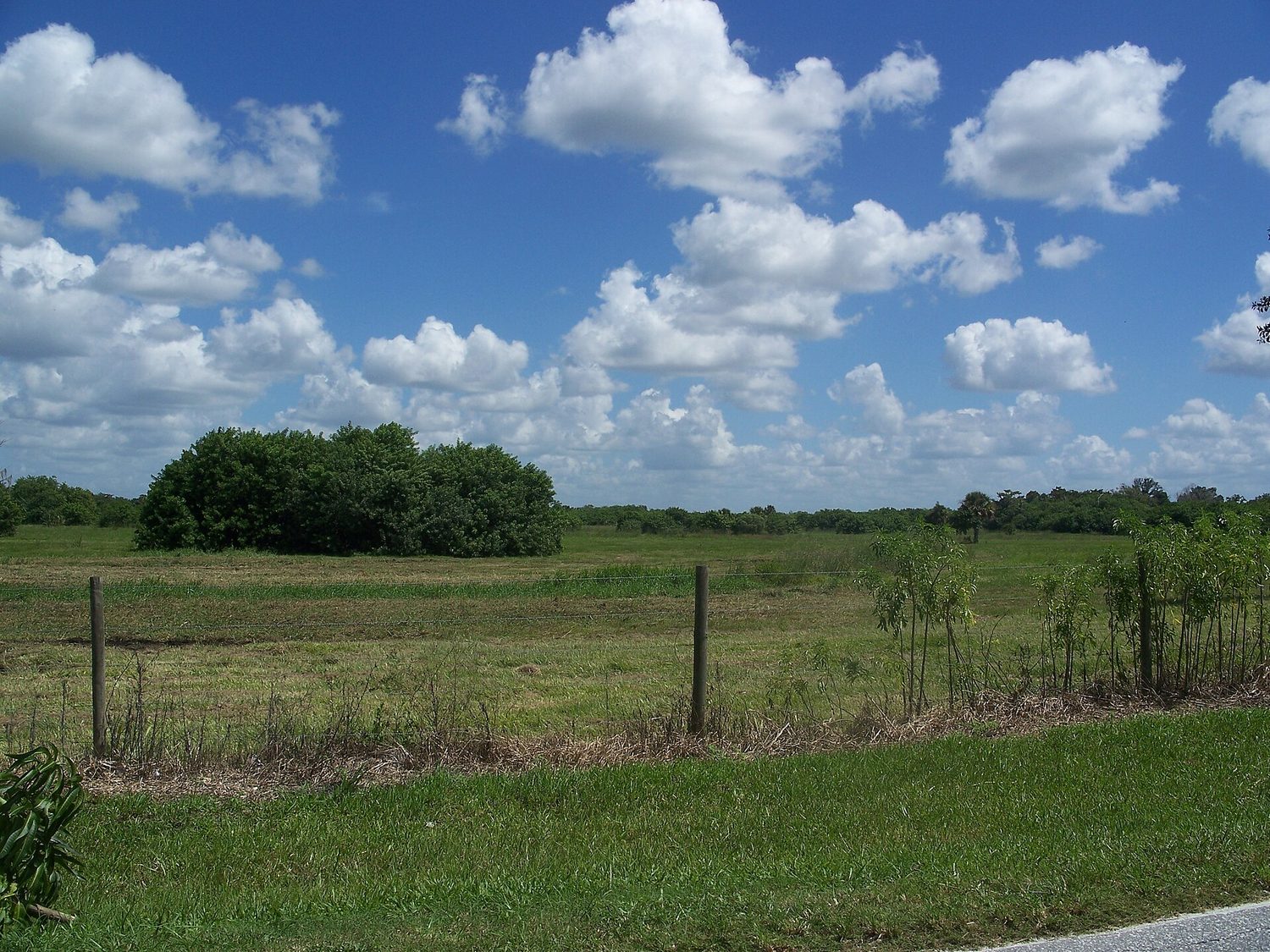
You can't talk about Okeechobee's calendar without talking about the lake itself. Lake Okeechobee is the eighth-largest natural freshwater lake in the fifty states and the largest contained entirely within the contiguous forty-eight. Seven hundred and thirty square miles of water with an average depth of just nine feet. That shallowness is the whole story. It means the lake breathes with every rain, every drought, every release from the Herbert Hoover Dike.
The dike is 40 feet tall and was built after the 1928 hurricane. That storm was the first recorded Category 5 hurricane in the North Atlantic, and it killed thousands of people here. The dike's latest rehabilitation was completed in January 2023. When the lake rises, the calendar shifts. Fishing tournaments get postponed. The parade doesn't. That's the difference between the water and the town.
A Town That Works, Barely
The census numbers tell a lean story. Okeechobee has 5,376 people and 1,983 housing units. Zero of those units are held for seasonal or recreational use. Nobody is keeping a second home here. The median household income is $50,365, and the median home value is $187,400. The median gross rent is $1,008. Unemployment sits at 4 percent. A fifth of adults hold a bachelor's degree or higher.
These are not resort numbers. These are working numbers. The town was incorporated on 4 June 1915, and by the 1930s it was shipping hundreds of train cars of winter vegetables a year, alongside poultry farms, catfish operations, and a bullfrog breeding industry. That's the economic DNA. The Speckled Perch Festival honors the fishing side of that lineage, but the agricultural side is still in the soil.
The Battlefield That Isn't a Parade
Not everything on the calendar is a celebration. On 25 December 1837, Seminole forces met US troops under Zachary Taylor in one of the largest battles of the Second Seminole War. The Okeechobee Battlefield marks that fight. It's not a festival. There's no 10am step-off. But it's part of the same calendar, the one that remembers this land was contested long before the dike was poured.
The name of the town itself carries that history. Okeechobee comes from Hitchiti, the ancestral language of most Florida Seminoles. Oki means water. Chubi means big. Big water. The people who named it knew exactly what they were pointing at.
What the Calendar Actually Means
Here's the thing about annual events in a town like this. They aren't entertainment. They're a way of marking time against a landscape that doesn't care about your plans. The lake can flood. The dike can hold. The vegetables can ship. The fish can bite. The parade goes at 10am regardless.
The Speckled Perch Festival is the oldest celebration in Okeechobee because it's the one that understands the assignment. It honors the industry that built the town, it happens at the height of tourist season, and it doesn't pretend the lake is scenery. The lake is a working body of water. The festival is a working celebration.
If you come for the parade, come early. If you come for the lake, check the dike conditions first. And if you come for the history, stand at the battlefield and think about what December 25 meant in 1837. Then go find the fish fry. That's the full calendar. That's the whole town.
Every business named above is one we hold a listing for, and every date traces to a source on our sources page. We do not describe menus, interiors or service we have not verified. Details change — confirm before you travel.