Guides · Okeechobee, Florida
The History of Okeechobee in 7 Landmarks
The lake is the first landmark, and the reason the rest exist.
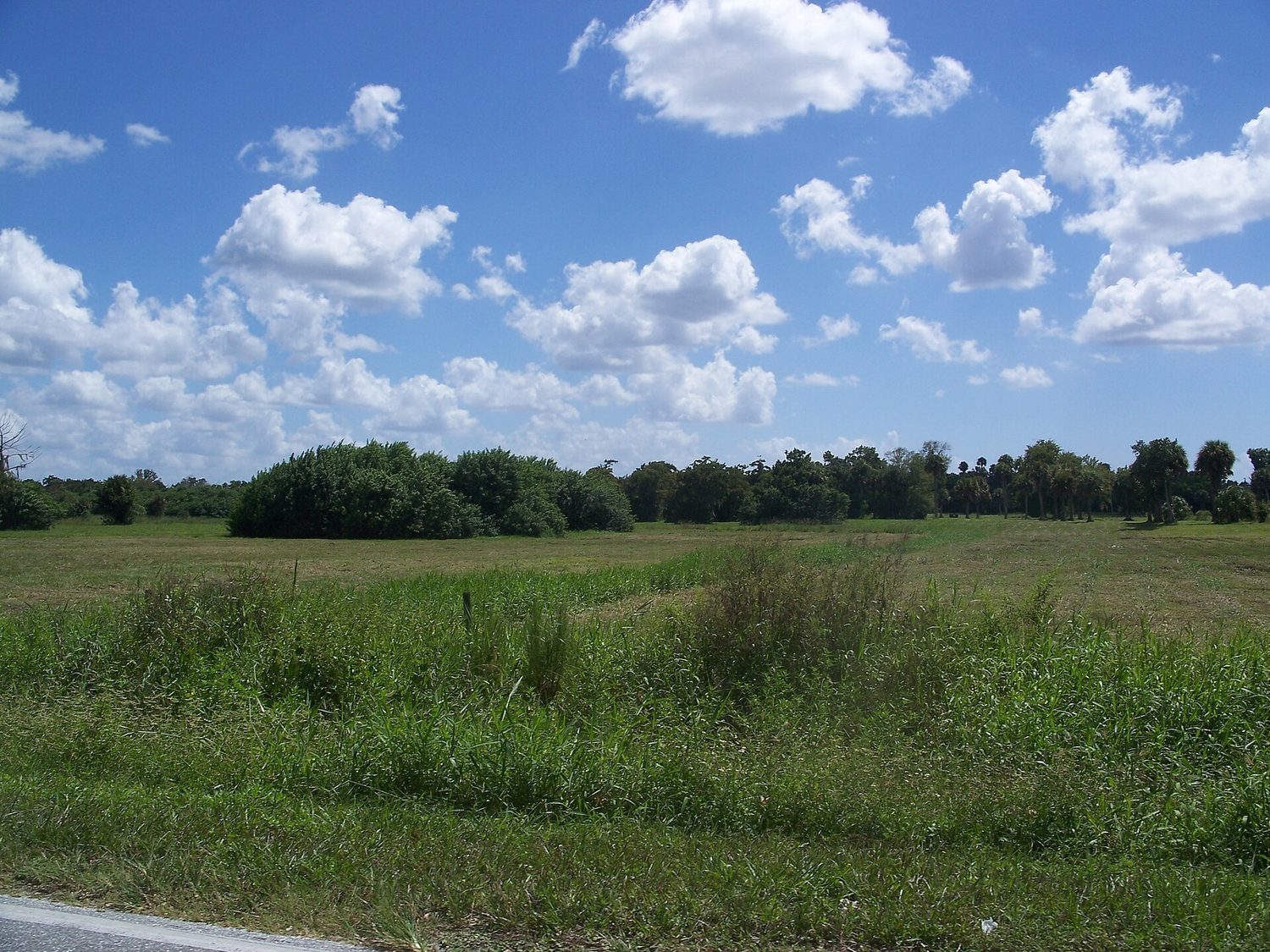
The Lake Itself
Seven hundred and thirty square miles of water, average depth nine feet. The eighth-largest natural freshwater lake in the fifty states, and the largest contained entirely within the contiguous forty-eight. The Hitchiti name — oki, water, chubi, big — is the only introduction needed. Big water.
The town that took its name from the lake was incorporated on 4 June 1915. Before that, the land was swamp, cattle range, and Seminole country. The lake was never scenery. It was a working body of water, and it still is.
The Okeechobee Battlefield
The oldest landmark here is not a building. On 25 December 1837, Seminole forces met US troops under Zachary Taylor in one of the largest battles of the Second Seminole War. Christmas Day, in the swamp.
The battlefield sits west of town. It is a flat, open piece of ground that does not explain itself. You have to know what happened there to see it. The lake is close by, which is the point. The war was about who controlled this water and the land around it.
The Herbert Hoover Dike
The 1928 Okeechobee Hurricane was the first recorded Category 5 hurricane in the North Atlantic. It hit the lake area hard. The death toll was in the thousands, and most of the bodies were never identified. The lake broke its banks and the water did not recede quickly.
Out of that came the 40-foot Herbert Hoover Dike, ringed around the lake. The latest rehabilitation completed in January 2023. The dike is not a tourist attraction. It is a wall, and the town lives behind it. You can drive along it, but you should not forget what it is for.
The Railroad and the Vegetable Shipments
By the 1930s, the area was shipping hundreds of train cars of winter vegetables a year. The railroad came through, and the town changed. Poultry farms followed. Catfish operations. A bullfrog breeding industry, which is the kind of detail that tells you everything about a place that made money from whatever the water would support.
The train tracks still cut through Okeechobee. The freight cars are longer now, but the rhythm is the same. The land grows food in the winter because it can, and the trains move it north.
Flagler Park
The park is the town's centre, such as it is. It is where the Speckled Perch Festival and Parade steps off at 10am on the Saturday of the event. The festival is the oldest celebration in Okeechobee. It began by honouring the fishing industry with a parade and a fish fry in Flagler Park, at the height of the tourist season.
The fishing industry is not a historical footnote. People still fish the lake. The park is where the town gathers to admit that.
The Town Grid
The census numbers are small. Population 5,376. Median age 37.7. Total housing units, 1,983. Vacant units, 177. Homes held for seasonal or recreational use: zero. That last number matters. Nobody is keeping a summer house here. The median home value is $187,400, and the median gross rent is $1,008. The unemployment rate is 4 percent. Median household income, $50,365.
Twenty and a half percent of adults hold a bachelor's degree or higher. That is not a college town number. It is a working town number. The grid of streets is flat, laid out on drained land, and it does not pretend to be anything else.
The Absence of the Hurricane
There is no monument to the 1928 storm in the town's daily life. That is the landmark. The dike is the memorial, and the dike is functional. The town rebuilt after the water went down, and it did not build a statue. It built a wall.
The lake is still there. Nine feet deep on average, which means it can turn over fast and get ugly quick. The town knows this. The festival, the park, the railroad, the battlefield — they all sit within sight of the water. The water is the first fact, and the last one.
Every business named above is one we hold a listing for, and every date traces to a source on our sources page. We do not describe menus, interiors or service we have not verified. Details change — confirm before you travel.