Guides · Okeechobee, Florida
How Okeechobee Got Its Name
The name on the map is a translation, and the translation is the whole point.
Big Water, Plainly Said
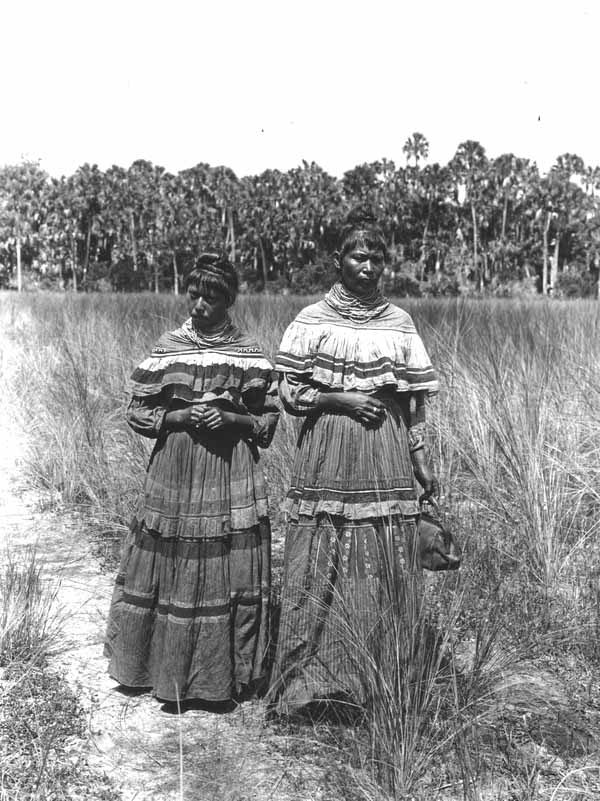
Okeechobee is a Hitchiti word. Oki means water. Chubi means big. That is it. No mythologising, no romantic gloss. The ancestral language of most Florida Seminoles gave the lake its name, and the town took the lake’s name when it incorporated on 4 June 1915. Seven hundred and thirty square miles of water, average depth nine feet, sitting in a concrete ring. The name is honest. The water is not scenery. It is a fact you live with.
The town grew because the water was manageable, or seemed to be. By the 1930s, hundreds of train cars of winter vegetables left the area every year. Poultry farms worked the flat land. Catfish operations worked the water. Somewhere in there, a bullfrog breeding industry tried its luck. That is the kind of economy a big shallow lake supports: work, not postcards.
The Dike That Says It All
You cannot write about Okeechobee without the wall. The Herbert Hoover Dike stands forty feet tall around the lake, built after the 1928 hurricane. That storm was the first recorded Category 5 hurricane in the North Atlantic. It did not just damage the lake area. It killed thousands of people, most of them Black farmworkers and their families, bodies piled and burned because the ground was too wet to dig graves. The dike is the town’s answer to that. Its latest rehabilitation finished in January 2023. The water is still there. The wall is newer.
Older Than the Town
The name predates the town by centuries, and the fight for it predates the name in English. On 25 December 1837, Seminole forces met US troops under Zachary Taylor at what is now the Okeechobee Battlefield. It was one of the largest battles of the Second Seminole War. Taylor lost more than a quarter of his men. The Seminoles withdrew, but not because they lost. They fought on that ground because the big water was theirs. The name is a claim that survived the war.
What the Census Says Now
Okeechobee today is a small town of 5,376 people, median age 37.7 years. The median household income is $50,365. The unemployment rate is 4 percent. The median home value is $187,400, and the median gross rent is $1,008 a month. There are 1,983 housing units in town. Zero of them are held for seasonal or recreational use. That is a working town, not a vacation stop. One hundred and seventy-seven units sit vacant, which is what happens when the work is steady but the money is tight.
Twenty and a half percent of residents hold a bachelor’s degree or higher. The number is not high. It does not need to be. You do not need a degree to know what the lake can do.
The Oldest Celebration
Every year, the Speckled Perch Festival and Parade steps off on a Saturday at 10 a.m. It has run since 1965, the oldest celebration in Okeechobee. It started as a salute to the fishing industry, a parade and a fish fry in Flagler Park at the height of tourist season. The tourists came for the perch. The locals came for the same reason. The festival is still here, which is more than you can say for the bullfrogs.
The lake is not pretty in the way postcards are pretty. It is brown, shallow, and dangerous. It has killed people. It has fed people. It gave the town a name that means exactly what it says. Big water. That is the whole story.
Every business named above is one we hold a listing for, and every date traces to a source on our sources page. We do not describe menus, interiors or service we have not verified. Details change — confirm before you travel.