Guides · Okeechobee, Florida
Okeechobee, Florida: What Has Changed in This Lake Town
The lake has always been the story here; the town is what happens when the water decides to let you stay.
The Name and the Water
Okeechobee is a Hitchiti word—oki, water, and chubi, big. Big water. The town took that name when it incorporated on 4 June 1915, but the lake was already old, and it was already dangerous. Lake Okeechobee is the eighth-largest natural freshwater lake in the fifty states and the largest contained entirely within the contiguous forty-eight—730 square miles at an average depth of just nine feet. That shallowness is what makes it so volatile. Nine feet of water over a wide, flat bed means wind can push it, and wind did.
The 1928 Okeechobee Hurricane, the first recorded Category 5 hurricane in the North Atlantic, pushed that water over the old muck dike and killed thousands. The number is still argued, but nobody argues that it was the worst disaster in Florida history. The Herbert Hoover Dike, a 40-foot ring of earth and concrete, was built after that storm. Its latest rehabilitation completed in January 2023. The lake is still there, still nine feet deep on average, still walled in.
What the Land Gave
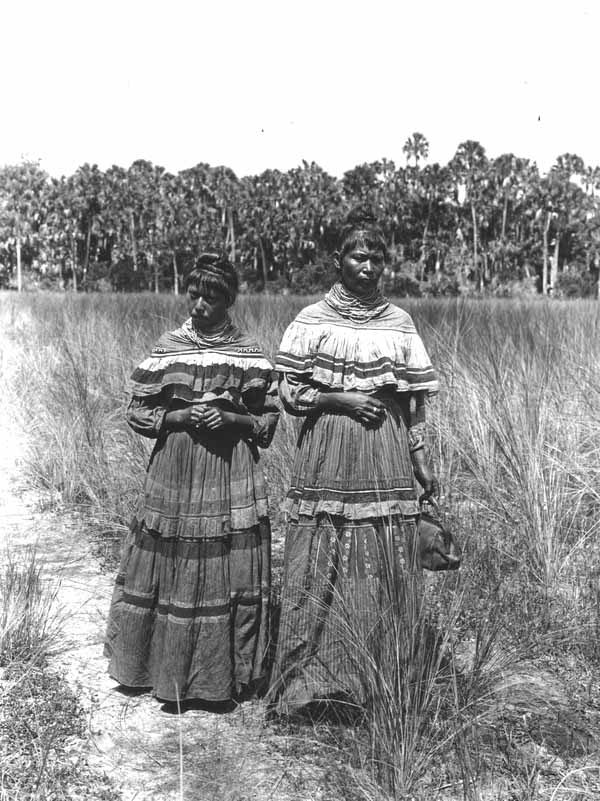
Before the dike, before the incorporation, there was the battlefield. On 25 December 1837, Seminole forces met US troops under Zachary Taylor at the Okeechobee Battlefield in one of the largest battles of the Second Seminole War. The Seminoles lost ground that day, but they did not lose the war, and they did not lose the name. The lake kept its Hitchiti title, and the town kept it too.
By the 1930s, the area had figured out what the muck and the water could do. Hundreds of train cars of winter vegetables left Okeechobee every year, alongside poultry farms, catfish operations and a bullfrog breeding industry. The frogs were a gamble that mostly didn't pay, but the vegetables did. The trains ran, the lake stayed behind its dike, and the town grew.
The Numbers Now
The Census says Okeechobee has 5,376 people, with a median age of 37.7 years. That is a working town, not a retirement town. The median household income is $50,365, and the unemployment rate is 4 percent. The median home value is $187,400, and the median gross rent is $1,008. There are 1,983 total housing units, and 177 of them are vacant. Zero units are held for seasonal or recreational use. Nobody is keeping a second home here. People live here because they live here.
The education numbers tell the same story. Only 20.5 percent of residents hold a bachelor's degree or higher. That is not a knock; it is a fact. This is a place where people work with their hands, on the water, in the fields, on the dike. The lake gives and takes, and the town knows it.
The One Celebration That Matters
The Speckled Perch Festival and Parade is the oldest celebration in Okeechobee. It began by honouring the fishing industry with a parade and a fish fry in Flagler Park at the height of the tourist season. The Saturday parade still steps off at 10am. The festival is not a corporate event; it is a town event, tied to the lake and the fish that live in it. The fishing industry built this town, and the festival remembers that.
What Has Changed
The dike is stronger now. The rehabilitation that completed in January 2023 means the lake is less likely to kill anyone, but it also means the lake is more separate from the town. Before the dike, the water was part of daily life, for better and worse. Now it is a walled thing, managed, measured, watched. The town has changed too. The vegetable trains are gone, the bullfrog farms are gone, and the catfish operations are a shadow of what they were. But the lake is still there, and the people are still there.
Where to Go From Here
If you are in Okeechobee, you are not far from other towns with their own events. Stuart is 41 miles away and has the Stuart Boat Show. Sebastian is 44 miles away and has the Sebastian Clambake Lagoon Festival. Arcadia is 71 miles away and has the Arcadia All-Florida Championship Rodeo. Oviedo is 101 miles away and has Great Day in the Country. Everglades City is 103 miles away and has the Everglades Seafood Festival. Altamonte Springs is 105 miles away and has Red Hot & Boom.
Okeechobee is not a paradise. It is a town that sits next to a very big, very shallow, very dangerous body of water, and it has learned to live with that. The numbers are plain, the history is plain, and the lake is plain. That is the truth of it.
Common questions
- How big is Lake Okeechobee?
- Lake Okeechobee is 730 square miles with an average depth of just nine feet. It is the eighth-largest natural freshwater lake in the fifty states and the largest contained entirely within the contiguous forty-eight.
- What does the name Okeechobee mean?
- Okeechobee comes from the Hitchiti language, spoken by most Florida Seminoles. It means "big water" - oki for water and chubi for big.
- When was Okeechobee incorporated?
- Okeechobee was incorporated on June 4, 1915. The town grew through the 1930s, shipping hundreds of train cars of winter vegetables yearly, plus poultry, catfish, and bullfrog operations.
- What happened in the 1928 hurricane?
- The 1928 Okeechobee Hurricane was the first recorded Category 5 hurricane in the North Atlantic. It severely damaged the lake area and killed thousands. The Herbert Hoover Dike, built after that storm, was rehabilitated and completed in January 2023.
- What is the Speckled Perch Festival?
- The Speckled Perch Festival and Parade is Okeechobee's oldest celebration, running since 1965. It honors the fishing industry with a parade and fish fry in Flagler Park. The Saturday parade steps off at 10am.
- What is the median home value in Okeechobee?
- The median home value in Okeechobee is $187,400, with a median gross rent of $1,008. The median household income is $50,365, and the unemployment rate is 4 percent.
Every business named above is one we hold a listing for, and every date traces to a source on our sources page. We do not describe menus, interiors or service we have not verified. Details change — confirm before you travel.